Boost Your Curb Appeal: How Expert Landscaping Services Can Transform Your Property
Curb appeal greatly influences the value of a property. Skilled landscaping professionals can greatly improve this attractiveness through thoughtful design and plant selection. useful tips By developing welcoming exterior environments, these professionals add both visual appeal and functional purpose. Property owners often question what important aspects to consider or how to choose the right service. Grasping these important aspects can lead to remarkable changes. The journey to a more appealing property begins with well-researched choices.
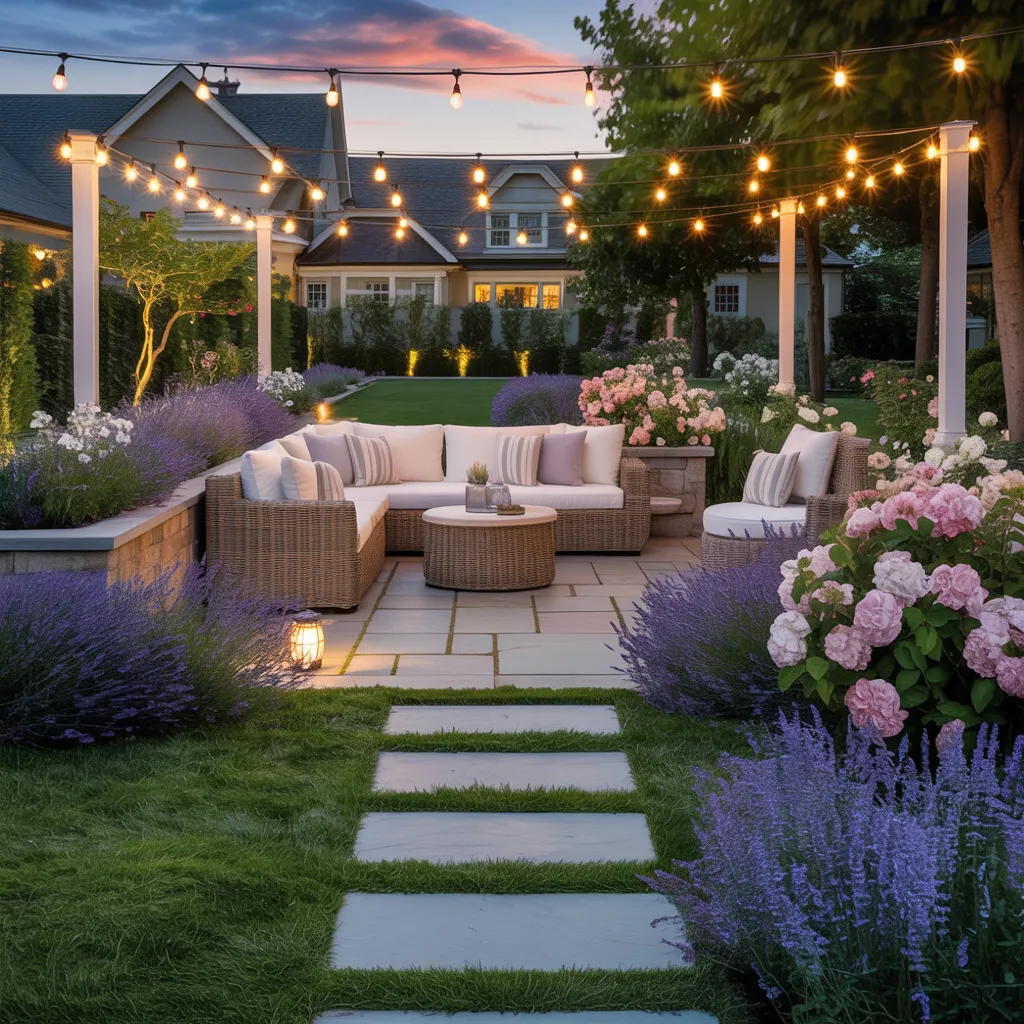
The Impact of Curb Appeal on Property Value
Curb appeal functions as the primary impression of a property, significantly impacting its market value. A properly maintained exterior draws in prospective buyers, commonly contributing to faster sales and better offers. Properties with welcoming landscaping, new paint, and neat walkways create a sense of hospitality and diligence, suggesting that the interior is likely well-maintained. In contrast, neglecting curb appeal can deter interest, leading buyers to question the home's overall state of maintenance.
Evidence demonstrates that properties with impressive curb appeal can generate added value of nearly 10% compared to similar properties lacking aesthetic appeal. Aspects like vibrant flower beds, carefully maintained turf, and attractive entryways are key drivers of this result. At the core, enhancing a property's exterior can generate considerable financial gains, rendering it an essential factor for homeowners as well as real estate agents when gauging the overall value of a home.
Key Elements of Successful Landscaping Design
Effective landscaping design incorporates several essential features that enhance both functionality and aesthetic appeal. A carefully planned layout, intentional plant selection, and eco-friendly water management are fundamental components that support a thriving outdoor space. These components work together to create a balanced and cohesive setting that meets the needs of both homeowners and the ecosystem.
Practical Layout Design
A well-planned layout is essential for achieving a harmonious and functional landscape design. Successful landscaping integrates pathways, seating areas, and focal points that direct movement and improve usability. The layout should harmonize open spaces with dedicated zones, providing opportunities for both relaxation and interaction. Incorporating elements such as gardens, water features, and lighting can generate visual appeal while fulfilling practical functions. Additionally, accounting for the scale and proportions of elements ensures that they harmonize with the architecture of the property. An efficient layout also considers maintenance demands, making it more manageable to tend to the landscape over time. In the end, a carefully crafted layout elevates the property's aesthetic appeal while optimizing its functionality for daily use.
Plant Picking Strategy
Selecting the right plants is essential for establishing a landscape that is both beautiful and sustainable. A thoughtful plant selection process considers environmental factors, soil quality, and the particular attributes of the location. Native plants are often preferred due to their ability to thrive naturally and minimal upkeep needs. Additionally, integrating diverse plant species guarantees ongoing aesthetic value and protection against common threats. Experts suggest organizing plants according to their hydration and light requirements, establishing a balanced and productive growing environment. Moreover, evaluating the mature dimensions and growth tendencies of plants helps avoid overcrowding, enabling every plant to flourish. Ultimately, careful plant curation elevates the landscape's appearance while contributing to biodiversity and ecological sustainability.
Responsible Water Management
Building a outdoor space that flourishes while saving resources necessitates a dedication to sustainable water management. This method prioritizes the use of water-wise plants, which limit water usage while sustaining visual beauty. Successful landscaping design incorporates efficient irrigation systems, such as drip irrigation or rainwater harvesting, to confirm that water is distributed directly to plant roots, reducing waste. Additionally, the incorporation of permeable surfaces enables rainwater to permeate the ground, restoring local aquifers. Garden professionals can also implement mulch and soil amendments that boost moisture retention, further promoting sustainability. By embracing these strategies, property owners not only elevate their curb appeal but also promote environmental conservation, making sustainable water management an vital element of modern landscaping.
Cost-Effective Landscaping Ideas
Even when working within a tight budget, innovative landscaping ideas can completely revamp any outdoor area without spending a fortune. Straightforward strategies such as cultivating native flowers and bushes can boost curb appeal while demanding minimal upkeep. Incorporating mulch not only helps preserve moisture but also leaves garden beds looking neat and tidy. Hands-on projects, like building raised garden beds or crafting a gravel path, can contribute original appeal at a fraction of the cost compared to hiring professionals.
Incorporating repurposed items, such as old wooden pallets or bricks, can further elevate the garden area without major costs. Additionally, incorporating solar-powered garden lights delivers both utility and beauty, setting a welcoming mood during outdoor evening occasions. Lastly, consistent yard maintenance, including mowing and edging, can substantially increase curb appeal, making any property more welcoming. By embracing these economical strategies, homeowners can achieve a stunning outdoor space that showcases their unique taste and enhances their property's value.
Finding the Best Landscaping Service for You
Selecting the best landscaping service starts with a clear assessment of specific landscaping needs. By identifying distinct requirements, clients can efficiently compare the service packages of various companies. This diligent evaluation guarantees that the selected service matches with both expectations and budget.
Understand Your Landscaping Goals
What steps can homeowners take to properly evaluate their landscaping needs and select the right service? First, they must consider their property's unique features, such as size, terrain, and existing flora. Identifying personal preferences and desired outcomes—whether it's creating a serene garden, enhancing outdoor entertainment spaces, or boosting curb appeal—is essential. Homeowners must also take into consideration their available budget and how much ongoing maintenance they are ready to take on. Seeking inspiration through neighborhood landscapes, trade magazines, or internet resources can go a long way in helping homeowners refine their landscaping goals. Furthermore, speaking with acquaintances or neighbors who have previously hired landscaping professionals can offer helpful guidance. With a clear grasp of these considerations, homeowners will be better equipped to communicate their requirements, guaranteeing they select a landscaping provider that suits their goals and way of life.
Review Service Options
What aspects should homeowners examine when assessing landscaping service providers? To begin, they should assess the variety of services offered, including design, installation, and ongoing maintenance. Understanding whether a company specializes in residential or commercial projects can also guide decisions. Homeowners should compare pricing structures, ensuring transparency in quotes and potential additional costs. Additionally, reviewing customer testimonials and portfolios offers insight into the quality of work and customer satisfaction. It is essential to inquire about the experience and qualifications of the staff, as well as the availability of sustainable practices. In closing, reviewing the company's ability to communicate and respond in a timely manner can signal how attentively they will handle homeowner concerns across the project.
Maintain Your Landscape Like a Pro
Maintaining a landscape like a professional requires a strategic approach that harmonizes aesthetics and functionality. Routine maintenance routines, such as pruning, mowing, and mulching, are critical for improving the aesthetic value of the outdoor space. Experts suggest creating a season-based checklist to accommodate the unique needs of each plant and area within the landscape.
Watering schedules should be tailored depending on the climate and type of plants, guaranteeing that the garden receives proper hydration while avoiding overwatering. Moreover, controlling pests and weeds is essential; choosing organic methods can safeguard the environment while sustaining plant vitality.
The health of soil is a critical factor in preserving a lush and healthy landscape, requiring regular testing and soil improvements. Implementing eco-friendly practices, including composting and the integration of native plant species, supports lasting environmental health. By applying these practices, residents can establish a beautifully managed landscape that enhances the overall curb appeal of their property.
How Transformations Increase Property Value
Enhancing a landscape not only elevates its visual appeal but also plays a crucial role in raising property value. Thoughtfully planned outdoor spaces attract potential buyers, rendering homes more appealing on the market. Research consistently indicates that residences with professionally designed outdoor spaces can experience a value boost of between 5% and 15%. Such improvements are frequently driven by superior design, increased usability, and stronger curb appeal.
Landscaping transformations, such as the incorporation of indigenous plants, hardscape elements, or outdoor living spaces, establish welcoming settings that appeal to homebuyers. Additionally, a carefully tended landscape reduces maintenance costs and boosts energy conservation, drawing in environmentally aware buyers.
Investing in expert landscaping solutions not only delivers instant aesthetic improvements but also functions as a strategic approach for sustained real estate appreciation. In the end, the ideal landscaping selections can considerably affect a home's overall worth and appeal in a competitive market.
Frequently Asked Questions
How Much Time Does a Standard Landscaping Project Usually Take?
Most landscaping projects typically take one to four weeks from start to finish, subject to the scale and complexity of the work. Elements such as weather conditions, the size of the project, and available resources can influence the overall timeline considerably.
What Types of Plants Are Best for My Climate?
The ideal types of plants for any climate are determined by local temperature, humidity, and soil conditions. Indigenous plants tend to flourish, while water-efficient plants prove to be excellent for dry climates, guaranteeing eco-friendly growth and reduced maintenance demands.
Can Strategic Landscaping Help Cut Energy Costs for My Home?
Landscaping can significantly reduce energy costs by thoughtfully arranging trees and shrubs to offer shade, blocking wind and regulating temperature. This nature-based insulation minimizes the need for heating and cooling systems, ultimately leading to lower utility bills.
What Maintenance Is Required After Landscaping Installation?
Following landscaping installation, routine maintenance involves fertilizing, watering, weeding, mulching, and pruning. Periodic seasonal tasks, such as pest control and winter preparation, are also necessary to guarantee the landscape stays healthy and aesthetically pleasing.
Are Eco-Friendly Landscaping Options Offered?
There are eco-friendly landscaping options available. They include native plants, drought-resistant gardens, rain gardens, and organic mulch. These selections encourage biodiversity, preserve water, and minimize chemical use, benefiting both the environment and the property's aesthetics.